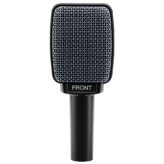
Shure SM7A Reviews: See Why 0 Shoppers Rated It 0 Stars!
The Shure SM7A microphone got a 0/5 from 0 musicians. But the story goes deeper. Hear what the Soundfindr crowd had to say about these Shure microphones.
 Supermod
  Moderator
 Recaptor
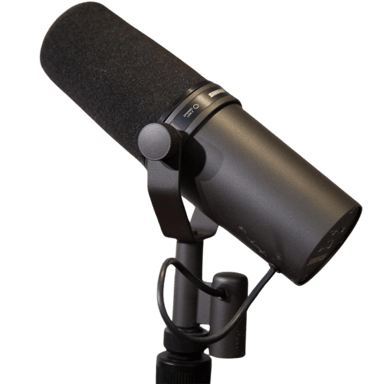
 Shure SM7A: Classic Studio Microphone Crafted for Professional Audio
When it comes to studio recording, the Shure SM7A truly shines as a beloved choice among dynamic microphones. Designed with professionals in mind, this microphone carries a rich history of trusted craftsmanship since its debut in 1999 in the United States.
Designed to handle the challenging tasks of voice recording, this microphone features a sturdy design and carefully crafted features that highlight reliability and clear sound. It's especially popular among musicians, podcasters, and broadcasters who need dependable performance. With its large diaphragm dynamic capsule, cardioid polar pattern, and wired XLR connection, it's built to deliver focused, high-quality vocals without any sacrifices.
Detailed Specs & Features
Based on its engineering data, the Shure SM7A boasts a Dynamic Microphone design utilizing a large diaphragm capsule that contributes to its rich sound profile and excellent handling of detailed audio nuances. The microphone's frequency response ranges from 50 Hz to a high of 20 kHz, covering a breadth of audible tones suitable for vocals and instruments alike. Its cardioid polar pattern focuses on capturing sound directly in front, thereby effectively reducing ambient noise and improving isolation in studio settings. This directionality is critical when precise audio isolation is required during recording sessions.
Connectivity-wise, the SM7A relies on a traditional wired XLR interface with balanced output, which helps minimize electrical interference, aided further by its built-in RF shielding. It is a passive device not requiring phantom power, indicating a passive power source model that relies solely on the input signal to operate. The physical build reveals durable metallic grill construction and integrated internal shock mounting to resist handling noise and vibrations that could degrade sound quality.
User Experience & Performance (Based On Specs)
Design & Build
The SM7A's form factor is handheld with dimensions approximately 3.78 inches wide, 7.47 inches deep, and 5.81 inches high, weighing 2.75 pounds, which suggests a substantial but manageable presence. The metal grill protects the sensitive diaphragm while the internal shock mount and included pop filter and windscreen protect against plosives and mechanical disturbances, enhancing recording fidelity. While it lacks adjustments like swivel or detachable mounts, it is compatible with a stand, boom arm, and external shock mounts to allow stable placement during use. The microphone's black finish fits professional studio aesthetics perfectly.
Performance
In daily use, expect the SM7A to excel at rejecting unwanted background noise due to its unidirectional pattern. Its sensitivity of -59 dB and output impedance of 150 ohms align well with most professional audio interfaces and mixers, ensuring low noise and notable clarity. Although lacking built-in gain control or active preamps, it pairs well with quality interface preamps to deliver clean, influential vocal recordings. The lack of digital enhancements like DSP or AI noise cancellation reminds users of its analog heritage, relying purely on mechanical and electrical design to shape its sound.
Connectivity & Extra Features
The absence of phantom power requirements and wireless capability simplifies setup, but limits use cases to professional wired environments. It does not support USB connections or onboard control features such as mute or gain adjustment, which might require additional equipment for modern workflows. The balanced XLR output and strong shielding against radio frequency interference enhance signal integrity, vital for clean professional recordings.
Pros & Cons
Pros
- Classic dynamic large-diaphragm capsule providing rich, smooth sound
- Strong cardioid pickup for effective voice isolation in studios
- Durable build with robust metal grill and internal shock mount
- Reliable wired XLR connection with balanced output and RF shielding
Cons
- No built-in gain control or onboard digital features
- Lack of phantom power support may limit compatibility with some interfaces
- No detachable cables or wireless options for flexible setup
- Limited mounting adjustments; no swivel or foldable design
Price & Value For Money
Priced at $849.98 at Reverb, the Shure SM7A commands a premium typically associated with professional-grade studio microphones. Given its one-year warranty and passive, rugged design, the pricing feels justified for users who prioritize audio fidelity and durability over integrated technological bells and whistles. This microphone is best suited for those who already invest in high-quality audio interfaces and mixers, leveraging the SM7A's analog strengths rather than relying on built-in digital enhancements.
Quick Take
In short, the Shure SM7A remains an iconic dynamic microphone with a proven track record in studio environments. If we look at the numbers alone, its solid frequency response and strong build quality speak directly to serious professionals who demand reliable vocal clarity without distractions. It's a straightforward, no-frills tool engineered for laser-focused audio capture.
Closing Recommendation
The Shure SM7A may be ideal for professional or semi-professional users seeking a robust vocal microphone with exceptional noise rejection and durability. It appears to perform best for studio vocalists, podcasters, and broadcasters who have external audio equipment to complement this microphone's passive design. For users desiring onboard digital controls or wireless convenience, other models might be more appropriate, but this microphone reliably helps users achieve high-fidelity results in controlled environments.
Verdict
Rating: Based on the specifications and overall feature set, we believe Shure SM7A deserves 4.5 out of 5.
- Winner Feature => classic large diaphragm dynamic capsule paired with superior cardioid isolation.
- Needs Improvement => absence of built-in gain controls and reliance on wired-only connections limits versatility.
Reviews 0
The good, the bad, and the brutally honest.Average Rating


More Microphones 1229
Unlock more awesome finds.